
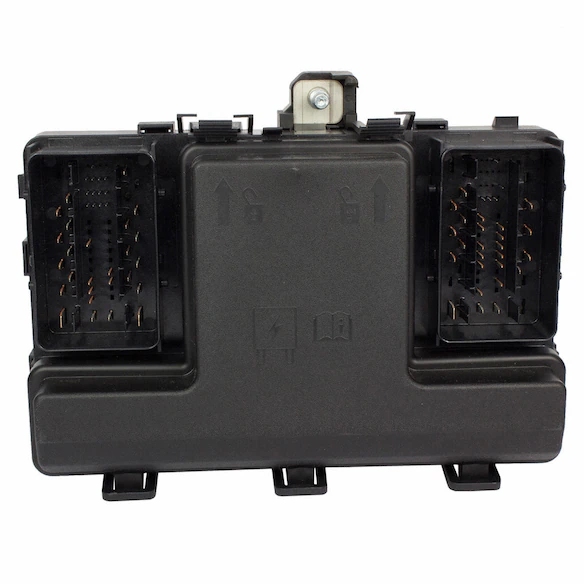
Description
What Is a Fuse Box?
A fuse box (also known as a fuse panel) is a protective housing that contains multiple electrical fuses. Each fuse is responsible for protecting a specific electrical circuit in a vehicle or building.
In automobiles, the fuse box ensures that if an electrical surge occurs, the fuse will blow first—preventing damage to sensitive systems like the ECU, lighting circuits, or power windows.
For general electrical safety standards, you can refer to the National Fire Protection Association https://www.nfpa.org).
How a Fuse Box Works
Fuse Box Operation Explained
The fuse distributes electrical current across various circuits. Each fuse contains a thin metal strip that melts when excessive current flows through it. This interruption:
-
Prevents overheating
-
Protects wiring harnesses
-
Shields expensive components
-
Reduces fire risk
Once the fuse blows, the circuit opens and stops functioning until the fuse is replaced.
This simple but effective mechanism makes the fuse one of the most important safety components in any electrical system.
Types of Fuse Box Systems
1. Automotive Fuse Box
Vehicles often have two fuse boxes:
-
Under-hood fuse (engine bay)
-
Interior fuse (under dashboard or side panel)
These protect systems like:
-
Headlights
-
Fuel pump
-
Radio
-
Power windows
-
ABS system
For example, manufacturers such as Ford Motor Company provide detailed fuse diagrams in owner manuals : https://www.ford.com/support).
2. Residential Fuse
In homes, the may be replaced by a circuit breaker panel. Older properties still use traditional fuses, while modern buildings use breakers that reset rather than require replacement.
The core function remains the same: protecting wiring from overload.
Fuse Components
Understanding the components inside a fuse helps with troubleshooting and safe maintenance.
Main Components Include:
-
Blade fuses (mini, standard, maxi)
-
Relays
-
Circuit identification diagram
-
Power distribution bus bars
-
Protective cover
Relays work alongside fuses to control high-current devices like cooling fans or starter motors.
Common Fuse Box Problems
Even though a fuse is built for durability, issues can occur.
1. Blown Fuse
The most common problem. Signs include:
-
Non-working headlights
-
Dead radio
-
Power outlet not functioning
-
Malfunctioning dashboard lights
2. Corrosion Inside Fuse Box
Moisture can cause corrosion on fuse terminals, leading to:
-
Intermittent electrical failure
-
Poor conductivity
-
Overheating
3. Melted Fuse Box
Excessive heat or incorrect fuse ratings can melt plastic housing. This requires immediate professional repair.
How to Check a Fuse Box Safely
Step-by-Step Fuse Box Inspection Guide
Before inspecting your fuse always:
-
Turn off the ignition
-
Disconnect the battery (for vehicles)
-
Use proper lighting
Step 1: Locate the Fuse Box
Check the owner’s manual for exact location. Common areas:
-
Driver-side dashboard
-
Under steering column
-
Engine compartment
Step 2: Identify the Fuse Diagram
Most fuse covers contain a diagram showing which fuse controls which circuit.
Step 3: Inspect the Fuse
Remove the fuse using a fuse puller. If the metal strip inside is broken, the fuse is blown.
How to Replace a Fuse in a Fuse Box
Replacing a fuse is simple but must be done correctly.
Important Rule: Match the Amperage
Every fuse has an amperage rating (e.g., 10A, 15A, 20A). Never replace a fuse with a higher-rated one.
Doing so may cause:
-
Wiring damage
-
Electrical fire risk
-
Expensive component failure
If unsure about electrical ratings, consult technical resources such as Society of Automotive Engineers https://www.sae.org).
Fuse Box Diagram Explained
A fuse diagram acts as a map. It helps identify:
-
Fuse number
-
Circuit function
-
Amperage rating
-
Relay position
Understanding the diagram speeds up diagnostics and prevents trial-and-error replacement.
Always keep a spare fuse kit in your vehicle for emergencies.
Why the Fuse Box Is Critical for Vehicle Safety
The fuse protects high-value components such as:
-
Engine control module
-
Airbag system
-
Anti-lock braking system
-
Transmission control unit
Without proper fuse protection, even minor electrical faults could cause significant damage.
Modern vehicles integrate increasingly complex electronics, making fuse protection more important than ever.
Signs You May Have a Fuse Box Issue
Watch for these warning indicators:
-
Multiple electrical systems failing at once
-
Burning smell near dashboard
-
Flickering lights
-
Repeated fuse blowouts
-
Difficulty starting vehicle
If multiple fuses fail frequently, a deeper wiring issue may exist.
Fuse Box Maintenance Tips
To extend the lifespan of your fuse , follow these best practices:
-
Keep fuse area dry and clean
-
Avoid pressure washing engine bay near fuse housing
-
Use correct fuse amperage only
-
Inspect annually during routine service
-
Replace damaged fuse covers immediately
Preventive care reduces long-term repair costs.
Modern Advancements in Fuse Box Technology
Today’s vehicles use:
-
Smart fuse monitoring systems
-
Integrated control modules
-
Solid-state power distribution
Instead of simple standalone fuse boxes, many new models combine fuse and control systems into a single power distribution unit.
These systems improve reliability and diagnostics but may require professional tools for service.
When to Replace the Entire Fuse Box
You may need full fuse replacement if:
-
Terminals are severely corroded
-
Housing is melted
-
Internal wiring is damaged
-
Multiple circuits fail simultaneously
Replacement cost varies depending on vehicle model and labor complexity.
Fuse Safety Best Practices
Electrical systems require caution. Always:
-
Disconnect battery before major work
-
Use insulated tools
-
Wear safety gloves
-
Avoid metal jewelry when working near power sources
If uncertain, consult a qualified automotive technician.
Final Thoughts on Fuse Box Systems
The fuse plays a fundamental role in protecting electrical systems in both vehicles and buildings. Though small in size, fuses prevent costly damage and significantly reduce safety risks.
By understanding how your fuse works, how to inspect it, and how to replace fuses correctly, you can avoid unnecessary repairs and maintain reliable electrical performance.
Whether you are a vehicle owner, DIY enthusiast, or automotive professional, hav
Reviews
There are no reviews yet.